



The power of original creative ideas
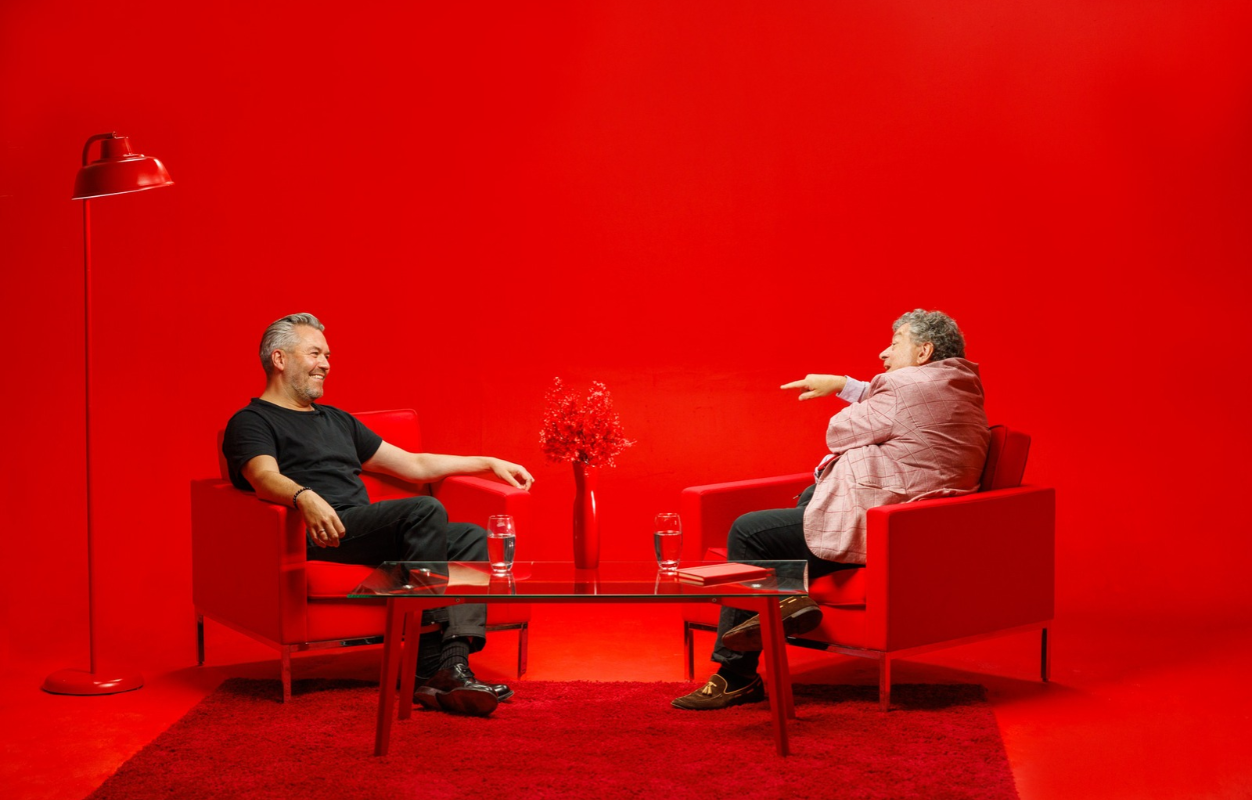
The value of creativity risks fading into the background amid noisy discussions around technology, automation and efficiency. But we want to keep creativity and what it can achieve in the spotlight – a sentiment shared by Nils Leonard, co-founder of Uncommon Creative Studio and a guest on our Mail Unleashed series.
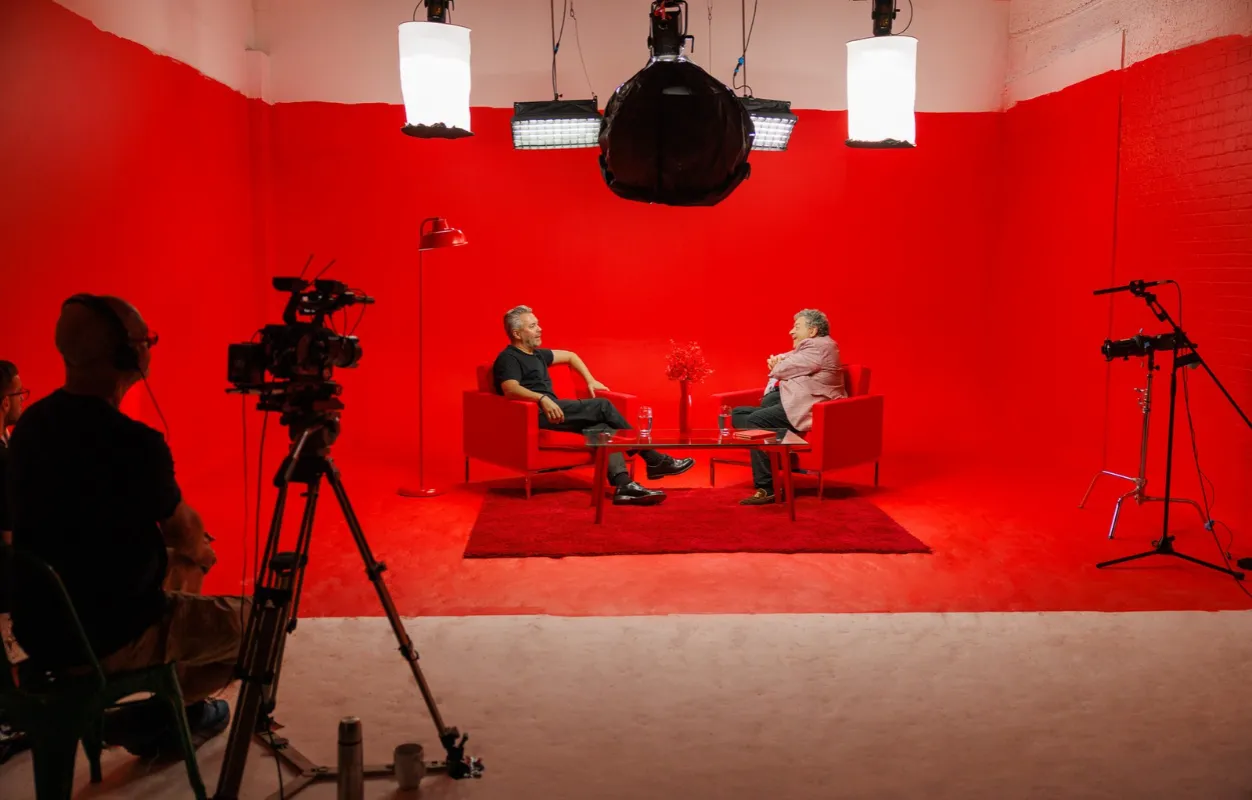
Nils sat down in the infamous bright red room with the regular host of Mail Unleashed, Rory Sutherland, to tease out how and why creativity can make a difference.
Just to frame the discussion, several studies link creative to commercial impact and further reading is available at the end of the blog. Tech companies themselves turn to a creative canvas when they want to bring an emotional touch to their advertising. They’re happy to use TV, out of home, print and more to help drive deeper brand recall with consumers. Look at Google using billboards and direct mail to promote search, or Dropbox’s push to promote file storage in its ‘For all Things Worth Saving’ TV and video ad1 designed to pull on the heartstrings.

‘It’s better to be different’
Nils’ own career in advertising and design includes a stint as Chief Creative Officer at Grey London and is studded with awards. Business Insider named him most creative person in advertising globally.
The Mail Unleashed conversation covers the many benefits of creativity. The ability to truly differentiate your brand is the first to leap out. Ideas can have much more impact and be more memorable if they are genuinely original and surprising. As Rory says, “Sometimes it is better to be different than it is to be better.” A mindset I love!
Naturally, this involves some risk-taking and a willingness to push a creative idea. Nils holds up British artist, set designer and stage director Es Devlin2 as someone he admires for her attitude to stretching her ideas. “The closer you are willing to get to that. The more likely you are to make an original piece of work.”
He urges agencies to look further for their inspiration to avoid brand messages becoming background wallpaper and says, “The decks to make the work - they're starting to converge. And the reason they're doing that is because I think it's all about inputs. All our decks are looking more similar.”
I think making physical objects or what we call narrative objects is basically the future.

Creative originality earns attention
He makes the point that there’s an oversupply of advertising. Automation allows content to be developed and distributed at scale, but that doesn’t mean it has the right to attention. And attention for ads is in short supply with so many other competing demands on consumers’ time.
As an example of applied creativity, Nils points to the work Uncommon did for a notable B2B Hiscox campaign. Insurance is generally a product people know they have to buy, but it’s a reluctant purchase.
He says, “We realised the juicy bit of every story is the disaster… and so, what if every ad was some sort of disaster physically?”
This is why the campaign featured Out-Of-Home with crooked posters and typos, radio spots in the wrong language and TV ads that glitched. The activity extended to a direct mail piece covered in spilt wine3 that certainly earned attention.
Creativity can be even more potent if it can break the restrictions of traditional media categories and move from a piece of conventional advertising into a tangible experience. If it can be something that people interact with, discuss and share, then it’s on its way to delivering a particular kind of noteworthy value. A 2025 study in the Journal of Behavioral Economics for Policy4 found that physically touching an item significantly increases a buyer’s willingness to pay compared to only seeing it, even before they own it." “I think with a physical real object, there is something inside it, in an age of AI, where you can feel the human endeavour.” He thinks the effort involved in fashioning something tangible does give it more meaning and adds, “I think we’re starting to reward that with our attention without knowing.”
Ideas can last a lifetime
The final point the pair discuss (among lots of other insightful gems) is the potential for a creative idea to make a cultural impact that creates long-lasting fame. Nils explains there is a difference between short-term attention-grabbing work and activity that has a longer-lasting impact. “The only way we're going to be a studio that people wish existed is if we make things people covet and they talk about not just at launch, but in five years or ten years.”
He adds, “I think that even if you are interested in short term metrics, the act of going for long term classical implications makes the work deeper.”
The point is that a memorable campaign keeps working after the paid media activity is over. A distinctive idea can be associated with the brand for a long time and this means that short-term measurement models won’t capture the full extent of the ROI. Think about how long Kit-Kat has been associated with the notion of taking a break - it must be decades and it’s deeply memorable.
This Mail Unleashed episode is a fascinating conversation about the long-term rewards that can come from stepping beyond conventional boundaries surrounding creative. You can find it and many other inspiring thoughts among the Mail Unleashed interviews here.


